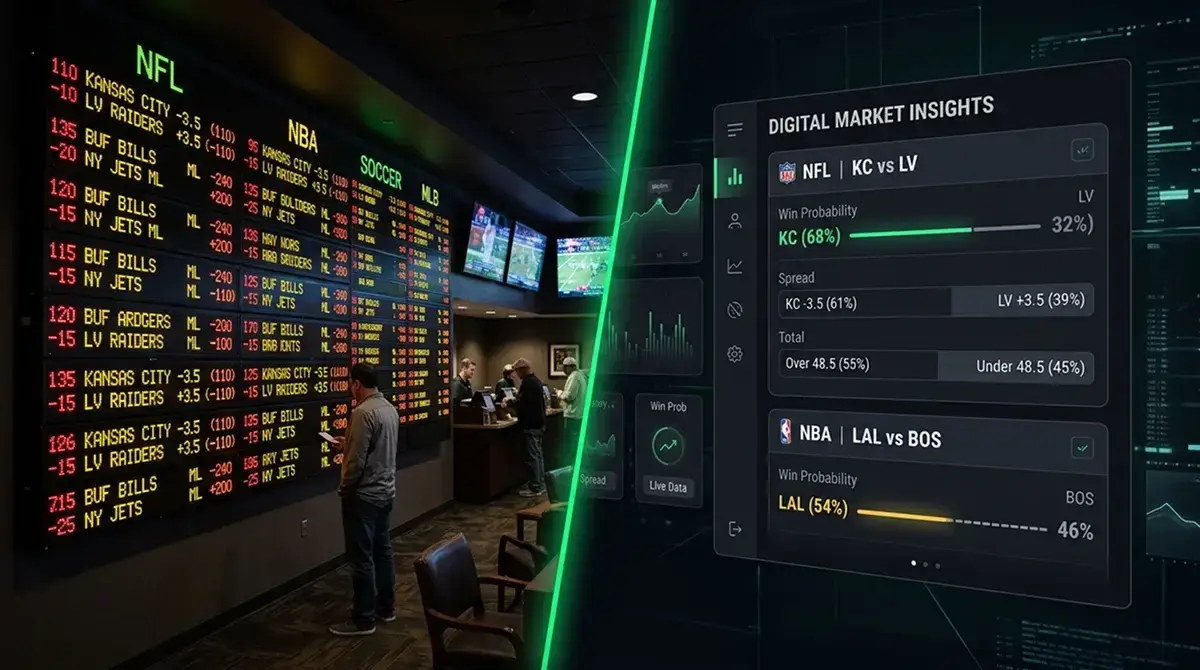

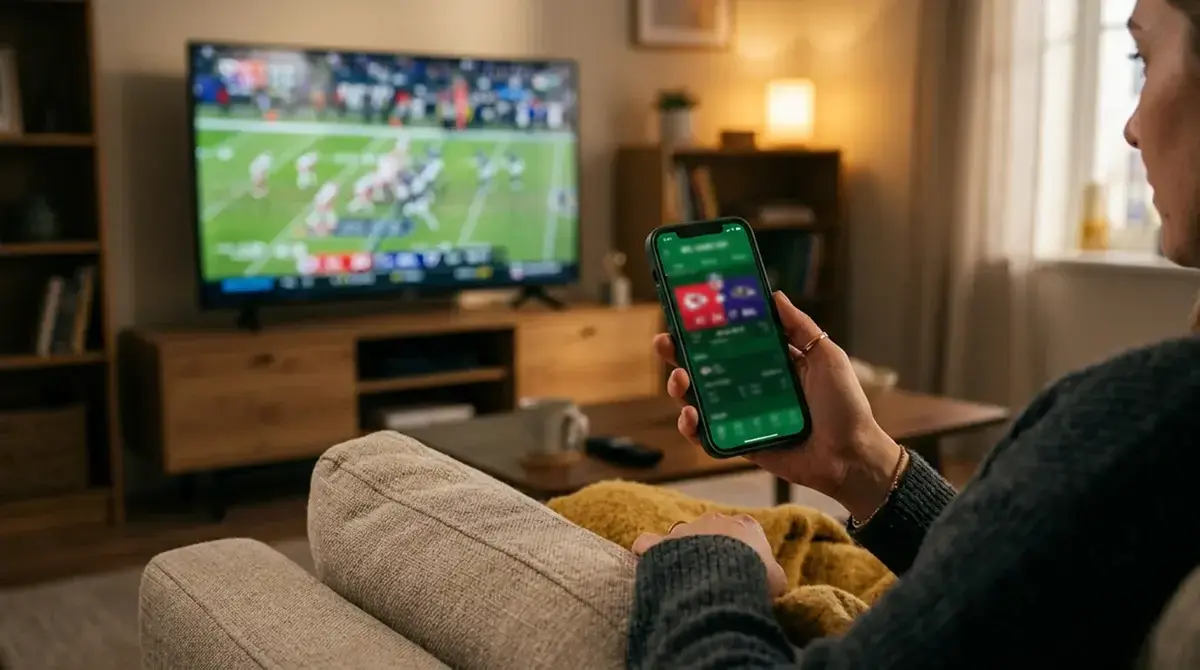
Seventy-five percent of UK adults access the internet primarily through smartphones, and 95% have home internet access, according to UK Gambling Commission data cited in the Commission’s regulatory briefings. If you are betting on the NFL with cryptocurrency, you are almost certainly doing it from a phone. The question is not whether mobile matters – it is whether the platforms you are using were actually built for it.
The gap between mobile-first UK bookmaker apps and the mobile experience on most crypto sportsbooks is the first thing you notice when switching between the two worlds. One was designed around the device in your hand. The other was often designed for a desktop and adapted – sometimes grudgingly – for smaller screens.
Browser-Based Interfaces vs Native Apps on Crypto Sportsbooks
Most crypto sportsbooks serve UK users through mobile-optimised websites rather than native iOS or Android apps. The reasons are practical. Apple and Google’s app store policies restrict real-money gambling apps that are not licensed in the user’s jurisdiction. Since no crypto sportsbook holds a UKGC licence, getting a native app approved for UK distribution on either platform is effectively impossible through the standard app store process.
The workaround is the Progressive Web App, or PWA. A PWA runs in your mobile browser but can be installed to your home screen, where it behaves much like a native app – full screen, no browser chrome, push notifications on supported devices. The experience is close to native but not identical. PWAs cannot access all device hardware (Bluetooth, NFC), lack the deep integration with iOS that native apps enjoy, and do not receive automatic updates through the app store.
A handful of crypto sportsbooks offer APK downloads for Android – installer files distributed directly from the sportsbook’s website, bypassing Google’s Play Store. This works because Android allows sideloading by default (or with a simple settings toggle). iOS does not offer an equivalent, so iPhone users are limited to PWAs or the mobile browser experience. If you are using an iPhone for NFL crypto betting, the browser-based experience is your only option, and evaluating its quality before depositing is essential.
For UK bettors accustomed to the polished native apps from UK-licensed bookmakers, this is a meaningful step down. The native apps from major UK operators offer biometric login, instant deposit via Apple Pay, live streaming, cash-out buttons that respond in milliseconds, and a betting slip that feels like it was designed by someone who actually places bets on a phone. The gap is shrinking as crypto platforms invest in their mobile experiences, but it has not closed.
Connecting Your Crypto Wallet on Mobile
Depositing crypto on a mobile sportsbook introduces a friction point that traditional betting does not have. On a UK-licensed app, you tap “deposit,” enter an amount, and authenticate with Face ID or your fingerprint. The money moves instantly. On a crypto sportsbook, the deposit process involves your wallet app, a blockchain transaction, and a confirmation wait.
The typical mobile workflow goes like this: open the sportsbook in your browser, navigate to the deposit page, copy the sportsbook’s wallet address, switch to your crypto wallet app, paste the address, enter the amount, select the network, confirm the transaction, and wait for blockchain confirmation. On a good day, this takes two minutes. On a congested Bitcoin network during NFL Sunday, it can stretch to fifteen.
Several friction-reducing tools exist. WalletConnect allows some sportsbooks to link directly to your mobile wallet, eliminating the copy-paste step. QR codes on the deposit page can be scanned by wallet apps that support camera-based address input. Some platforms have integrated in-browser wallet functionality that lets you deposit without leaving the sportsbook at all, though this typically involves custodial wallets that the platform manages.
The address copy-paste step is where the highest-stakes error occurs. If you copy the wrong address, send to the wrong network, or accidentally modify the address during pasting, your funds are gone permanently. On mobile, where screen real estate is limited and auto-correct can interfere with clipboard content, this risk is not trivial. Always verify the first and last several characters of the address after pasting. Some wallet apps highlight newly pasted addresses to help with this check.
Mobile UX: Crypto Platforms vs UK-Licensed Betting Apps
Let me be direct: the mobile user experience on most crypto sportsbooks is not as good as what you get from a major UK-licensed app. That is an honest assessment from someone who uses both regularly.
Navigation is the first difference. UK-licensed apps build NFL betting into their standard sports menu with logical categories: matches, outrights, specials. Crypto sportsbooks sometimes bury American football three taps deep, behind more globally popular sports. Finding the specific NFL game you want can take longer than it should, particularly on platforms designed for a crypto-native audience that skews toward esports and casino games.
Bet placement on mobile varies dramatically between platforms. The best crypto sportsbooks offer a betting slip that mirrors the functionality of traditional apps – single bets, multiples, stake entry, potential return display, all in a clean overlay. The worst require you to navigate to a separate page, lose your place in the market list, and rebuild context from scratch. Live betting suffers most from poor mobile design, because latency between tap and confirmation means odds can shift before your bet is placed, leading to rejected slips and missed betting opportunities.
Cash-out functionality, the ability to settle a bet early for a guaranteed return before the event has concluded, is now standard on nearly every UK-licensed betting app but remains inconsistent on crypto platforms. Some offer full and partial cash-out on NFL markets; others offer none. If cash-out is part of your NFL betting approach, confirm its availability on mobile specifically, since some platforms offer it on desktop but not on their mobile interface.
Despite these gaps, the overall mobile crypto betting experience has improved substantially. The leading crypto sportsbook operators have invested heavily in responsive design, faster page loads, streamlined bet placement, and improved wallet integration. And the core advantages of crypto betting over traditional alternatives – deeper prop markets, faster withdrawals, reduced-juice odds – apply equally on mobile. The UX gap is a friction cost, not a dealbreaker, and for bettors willing to tolerate a less polished interface in exchange for better market depth and odds, the trade-off is rational.
Notification management is one area where crypto sportsbooks lag behind UK-licensed apps. Traditional betting apps use push notifications for price boosts, line changes, and in-play updates tailored to your interests. Most crypto sportsbooks offer limited or no push notification functionality, relying instead on email or Telegram channels for relevant updates. During a live NFL game, where line movements happen in seconds, the absence of real-time mobile notifications can mean missed opportunities. Bettors who rely on live betting should consider supplementary tools: dedicated odds-tracking apps that monitor lines across multiple sportsbooks and alert you to movements that match your pre-set criteria. These third-party tools bridge the notification gap that most crypto platforms have not yet filled.